

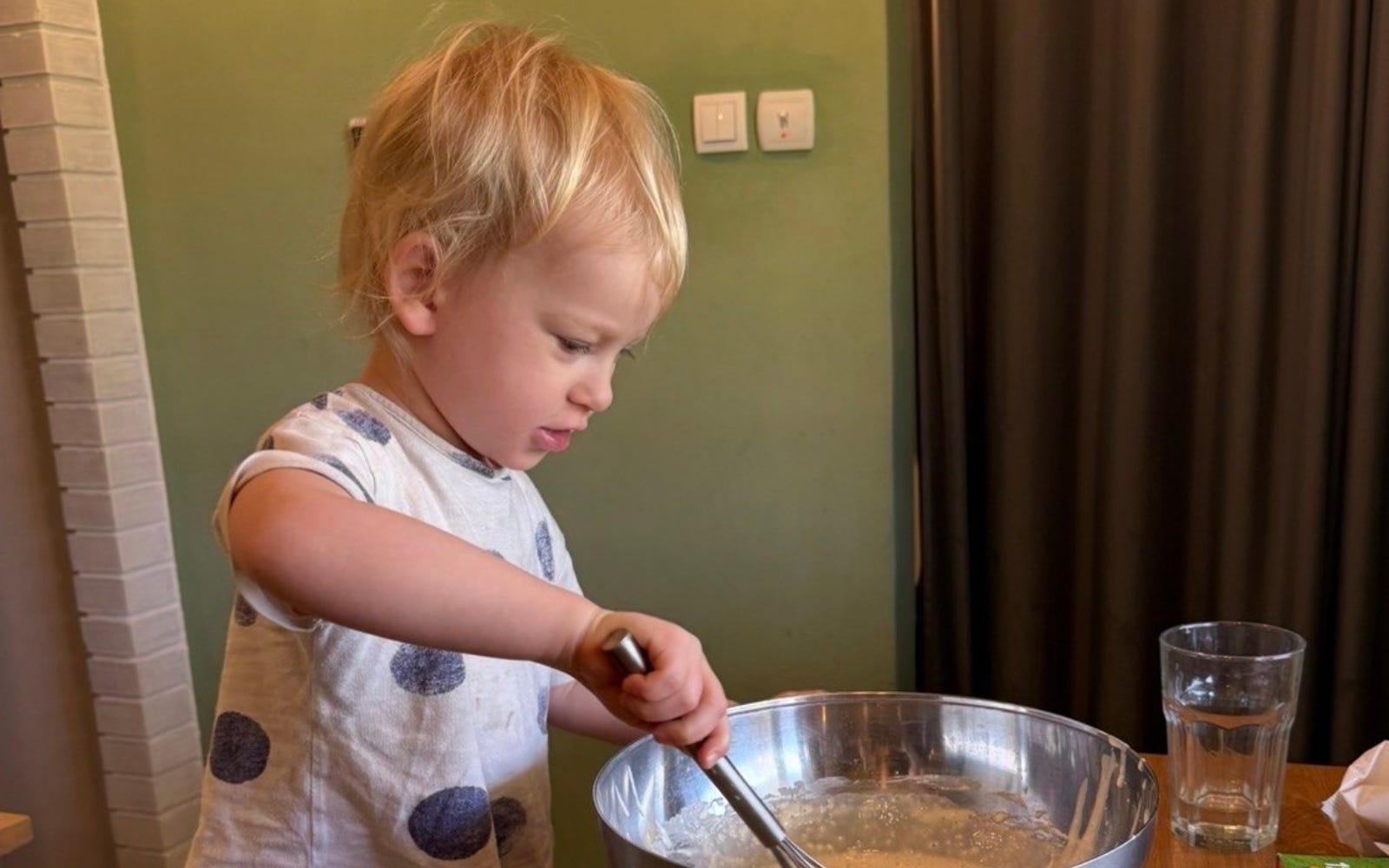
Many parents view starting solids as a technical task: “How do I get X grams of zucchini into my baby?” But in reality, complementary feeding isn’t just about calories—it’s about relationships. This is the time when a child forms their worldview through their plate.
If your little one is hesitant to try new things or looks at broccoli with suspicion, it’s time to shift from the “feed at all costs” tactic to a “research lab” mindset. Here is how you can foster a healthy connection with food.
The Kitchen as a Sensory Playground
The introduction to food begins long before a spoon touches the lips. It’s vital for a child to understand that food is safe, predictable, and fun.
Sensory Experience: Let your child participate in the preparation. Let them wash the vegetables, feel the rough texture of a carrot, or sort beans into bowls. This tactile interaction lowers the “danger level” of a new product.
Windowsill Gardening: Even if you don’t have a backyard, plant some basil or microgreens together. When a child sees a plant grow from a tiny seed, their trust in that food increases significantly.
Grocery Shopping: At the store, let your child pick out the “best” zucchini or help put the apples in the basket. This gives them a sense of autonomy and control—something toddlers crave, especially during the “neophobia” (fear of new things) phase.
Cooking Together: The Magic of Involvement
Preparing food is a powerful ritual. When a child sees how raw ingredients transform into a finished meal, they begin to understand the logic of eating. Depending on their age, let them mash a banana with a fork, stir a bowl with a spoon, or sprinkle some herbs. A child who “helped” cook the meal is much more likely to actually taste it.
The “15 Tries” Rule
One of the most common mistakes is giving up after the first “yuck.”
Pro Tip: For a child’s brain to recognize and classify a new flavor as “safe,” it can take anywhere from 10 to 20 exposures.
If your baby spits out avocado today, it doesn’t mean they hate it. It just means they aren’t acquainted with it yet. Offer the same food again in a week, but in a different form: roasted, mashed, or just a small piece on your own plate. No pressure, just presence.
Social Proof: “Just Like Mom”
To a child, you are the ultimate guarantor of safety. If Mom is eating a salad with genuine enjoyment, it’s a signal that the food isn’t “poisonous.” Food from a parent’s plate always looks more attractive and “vetted.” Don’t be afraid to share your meal (as long as the ingredients are age-appropriate). Often, a child who refuses their own puree will eagerly eat the exact same vegetable if they “discover” it on your plate.
The Takeaway
Starting solids isn’t a test of how clean your kitchen stays. It’s an investment in a lifetime of healthy eating habits. Let your child get messy, explore, make mistakes, and choose.
How does your little one react to new foods? Do you have any “victory stories” where a rejected vegetable finally became a favorite? Let’s discuss in the comments!
Definitely agree with trying a food multiple times!