

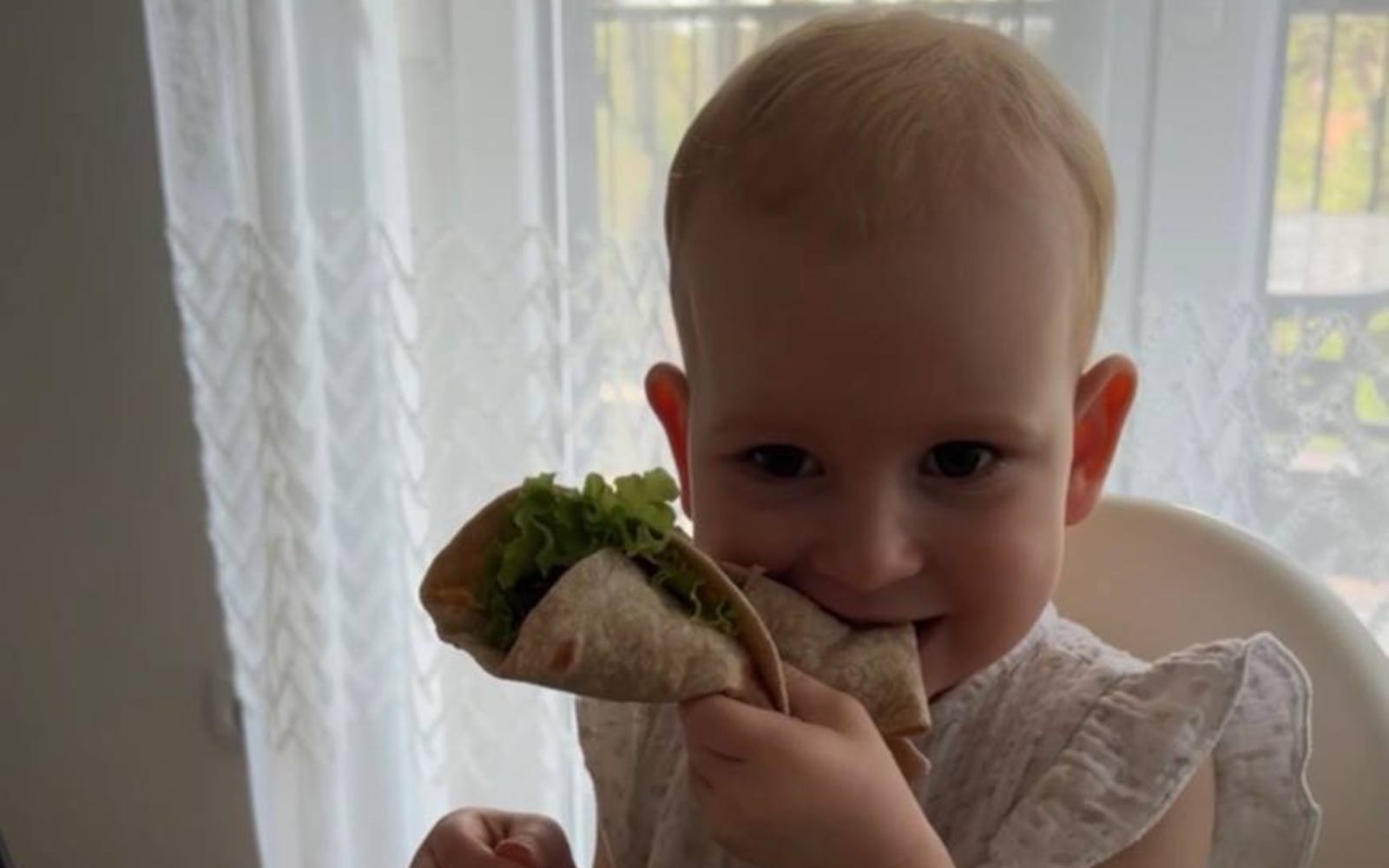
Many parents view starting solids as a technical task: “shoving” a specific amount of pureed zucchini into a baby by 12:00 PM. However, if we look at this process as a long-term strategy, we see that its true purpose is the seamless integration of the child into your family’s food culture.
Complementary feeding as socialization, not a diet
Starting solids is not a separate life stage where a child eats “special” food from jars. It is a learning process. We are teaching the baby not just how to swallow, but how to recognize flavors, textures, and, most importantly, how to share a meal with loved ones.
When a child eats the same food as the parents (adapted for safety), they mirror your behavior. This forms healthy eating habits much more effectively than any pleas to take “one more bite for Mommy”.
One table for everyone: a scientifically grounded strategy
To trust this approach, it’s important to understand the physiology and psychology of a child during this period:
The critical window for textures: Research shows there is a specific window (usually up to 9–10 months) when a child is most open to exploring new textures. Delaying the introduction of textures can lead to food refusal or “picky eating” in the future.
Physiology of taste: We prepare food without salt and sugar before age one because an infant’s immature excretory system cannot handle excess sodium. Furthermore, this helps the child learn to love the natural taste of products without “flavor enhancers.”
Motor development: Chewing pieces of food is the best workout for the tongue and jaw muscles, which directly impacts clear speech production in the future.
Mirror neurons: Children are natural mimics. When a baby sees you eating the same food, a biological safety mechanism is triggered: “If an adult is eating this and is happy, it’s safe, and I should try it too.”
How does it work in practice?
Transitioning to the family table doesn’t mean a six-month-old should eat fried potatoes. It means you adapt the general meal to fit their capabilities:
Unified menu: You prepare a base that suits everyone (e.g., baked fish and vegetables).
Adapting spices: Set aside a portion for the baby before adding salt, sugar, or hot peppers. Natural herbs and mild spices can remain to expand their flavor horizons.
Safe serving: Instead of a homogeneous puree, offer pieces that match the child’s skills (e.g., soft strips for a palm grasp).
Why is this important for parents?
The “one table for all” approach relieves the mother of the role of a personal chef who has to cook three different menus three times a day. This reduces stress levels and prevents burnout. When food stops being a “project,” it becomes a pleasure again.
The bottom line
The goal of starting solids is considered achieved not when the child eats a specific “norm” from a chart, but when, by 1.5–2 years old, they sit calmly with you at the table, eat the same food as you, and enjoy it. Starting solids isn’t about how to feed an infant today; it’s about their relationship with food for the rest of their life.
What does your lunchtime look like right now? Are you still cooking separate ‘baby’ and ‘adult’ meals, or have you already made the leap to a single family table? Tell me what the biggest challenge has been for you so far.